What 5 & 6 Sigma mean for your print & embroidery operation
Six sigma for small business is a measure of process quality. The higher the level, the fewer defects escape into finished goods. Here is what each level actually means on the shop floor, and why the gap is process, not machinery.
7-page PDF · no email required
The gap is process, not machinery.
decodedops.co.uk · DO-ART-985 · Rev 01Most decoration businesses operate at 3 to 4 Sigma. Here is what that actually means.
From reactive to near-zero defect
Each sigma level is a defect rate. Here is where the gap between 3 Sigma and 5 Sigma sits, and what it is worth.
Industry Baseline
Roughly 1 in 15 garments has a detectable defect. Misregistration, thread breaks, ink spread. Common when processes rely on operator feel over standard procedure.
Controlled
Around 6 defects per 1,000 garments. Equipment calibration is routine. Operators follow standardised settings for heat, pressure, dwell time, thread tension.
High Performance
Only 233 defects per million. Artwork approvals locked. Stitch density standardised by fabric type. Heat press profiles stored per substrate. Statistical sampling replaces end-of-run checking.
World Class
Just 3.4 defects per million. Full process capability studies per decoration type. Real-time machine monitoring. Achievable in high-volume workwear and teamwear with the right infrastructure.
The gap is process, not machinery
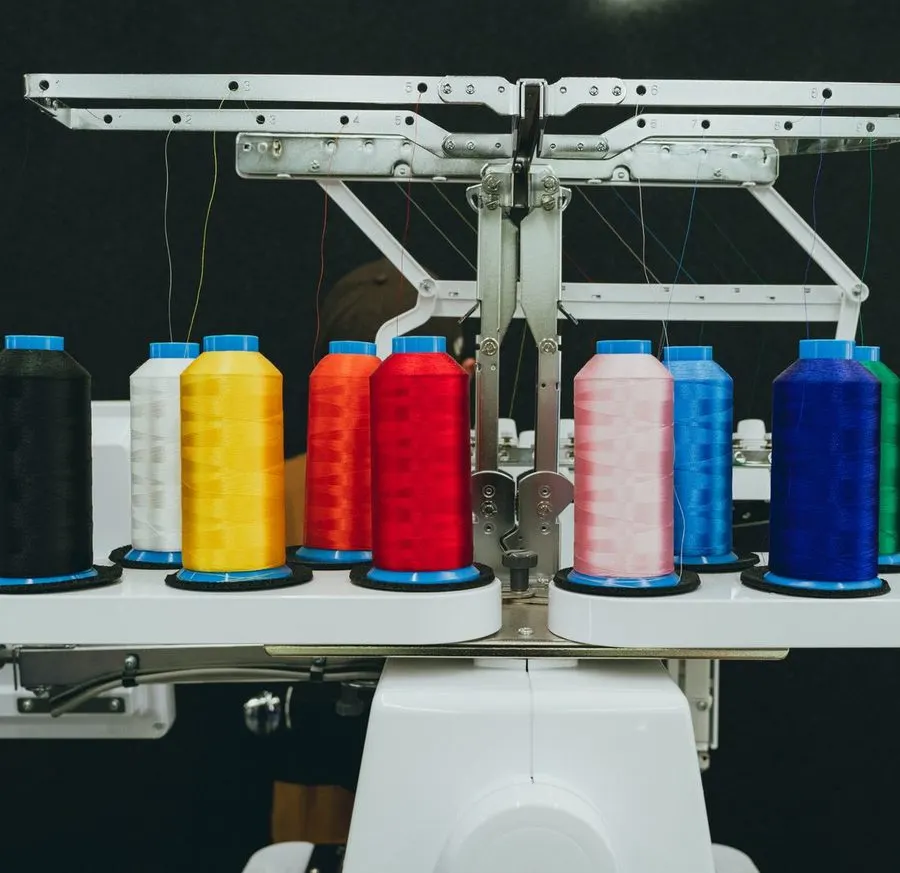
Moving from 3 Sigma to 5 Sigma cuts your defect rate by 99.6%. That is not a machine upgrade. It is a process redesign: standardised settings, documented procedures, and measured checkpoints are what separate the two. Not a newer heat press.
If your defect rate feels stuck, the fix usually is not new equipment. It is documenting and standardising what your best operator already does, which is six sigma for small business in practice. That is exactly what a Clarity engagement maps.
Process quality · to scale
The same 1,000 garments. Two floors.
Every square is one garment. Same machines on both floors. What changes is the process: settings standardised, procedures written down, checkpoints measured.
decodedops.co.uk · DO-ART-986 · Rev 01See where your operation sits on the scale.
A Clarity Audit maps your actual defect rate, finds the process gaps behind it, and gives you a costed plan to close them.