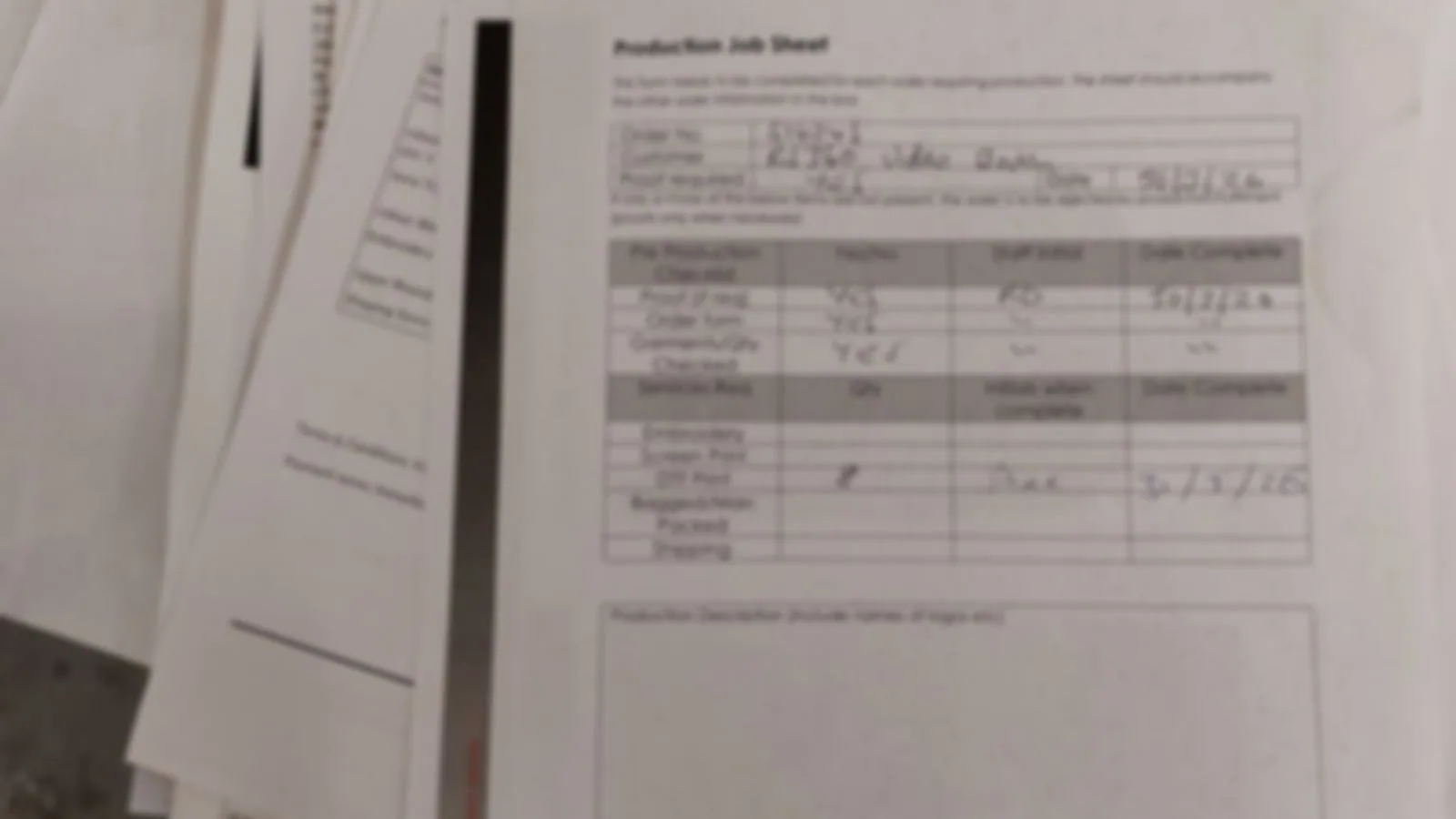
Manual workarounds and shadow systems

Your team has built a second system. It lives in spreadsheets.

Almost every business in this sector has shadow systems — spreadsheets, manual logs, sticky notes, and workarounds that exist alongside the official software. They keep the business running. They also hide the real cost of operational inefficiency.

— Does this sound familiar?
Spreadsheets are acting as databases for core operational data
Data is being entered into the same system more than once
You have a 'master spreadsheet' that someone updates manually each day
When that person is on holiday, nobody knows how the spreadsheet works
Reconciliation between systems takes hours every week
You've built custom Access databases or Google Sheets that have become critical infrastructure
Every month-end requires a manual data pull and manipulation effort
— Why it happens

The root causes

Understanding why the problem exists is the first step to fixing it — and knowing whether you're looking at a system problem or a process problem changes everything.

01

The system was implemented to a template, not your workflow

Most software implementations follow the vendor's standard process. When that process doesn't match how your business actually works, the team builds workarounds. Those workarounds become the real operating model — supported by the official system only where it fits.

02

Integration gaps that were never closed

When two systems don't talk to each other, the bridge is a person with a spreadsheet. That person becomes a critical dependency — and the business doesn't realise until they're not available.

03

No one has measured the hidden labour cost

The cost of manual workarounds doesn't appear on any invoice. It's buried in staff time that is attributed to 'order processing' or 'administration'. Without measuring it, there is no business case to fix it.

04

Workarounds become institutionalised

After enough time, the workaround isn't seen as a workaround — it's seen as how things are done. New starters are trained on the shadow system as if it were official. The original software investment becomes a sunk cost that nobody wants to admit hasn't delivered.

— How I help

What happens when you call

I audit your actual operational workflows — not the documented ones, the ones your team actually use. I identify every workaround, every spreadsheet, every manual bridge between systems, and I calculate what they're costing you in time, errors, and risk. Then I give you a prioritised plan to eliminate them: quick wins that pay for themselves, integration fixes that close the gaps, and the honest conversation about whether the current system can ever work for your business model.

Let's talk about what's happening

The first call is free. 60 minutes. No sales pitch — just a direct conversation about your situation.

One day on site
Written report in 5 days
3× Clarity Guarantee
No vendor agenda
Book a free call