Process Register, name everything the business does
Before you can document a process, you have to know it exists. The register lists every workflow, from artwork proofing to supplier onboarding, so nothing is invisible just because it's routine.
It's the conversation every owner dreads, and avoids. How the artwork gets proofed, which supplier gets the rush order, what the embroidery digitising workflow looks like, all of it lives in your head and nowhere else. Your business isn't a system. It's a dependency on one person being available every day. A standard operating procedure template is no use until what's in your head has been written into it.
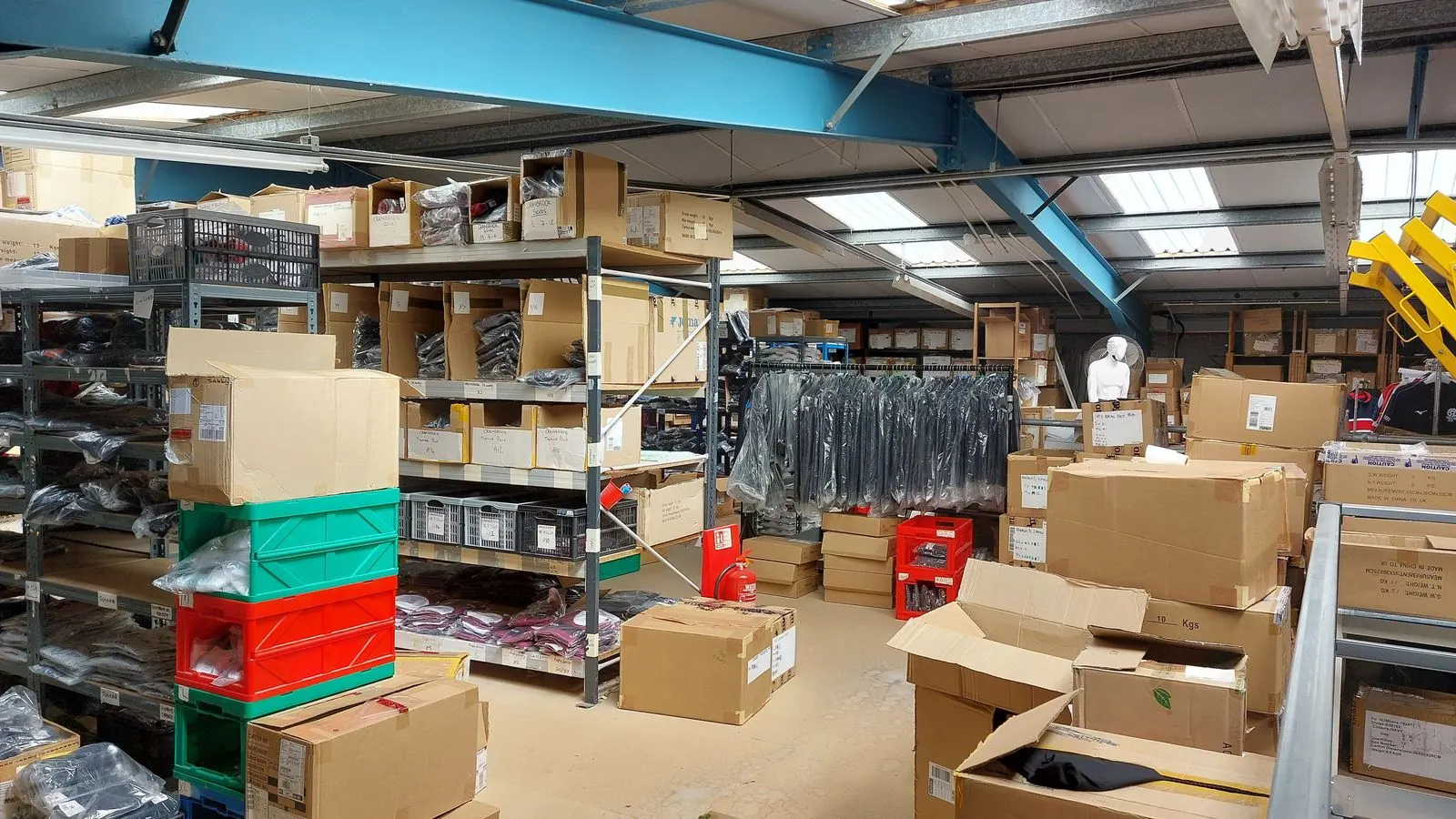
Seven processes. One head to keep them in.
decodedops.co.uk · DO-ART-972 · Rev 01If you recognise three or more of these, the business isn't sellable, isn't scalable, and isn't resilient, regardless of what the turnover says.
Three documents, one loop. The Process Register lists everything the business does. The SOPs describe how, in enough detail that someone who's never done it before can follow it. The Improvement Log captures every time something goes wrong so the process gets sharper, not just the person.
Before you can document a process, you have to know it exists. The register lists every workflow, from artwork proofing to supplier onboarding, so nothing is invisible just because it's routine.
An SOP isn't a training manual. It's the step-by-step that means someone who's never done it before gets the same result as someone who's been doing it for years.
When something goes wrong, it goes in the log: what happened, why, what changed. Over time, the process becomes the sum of everything the business has learned, not just what one person remembers.
It's not a one-off exercise. The Process & Quality System is a continuous loop that keeps the documentation current without it feeling like a second job.
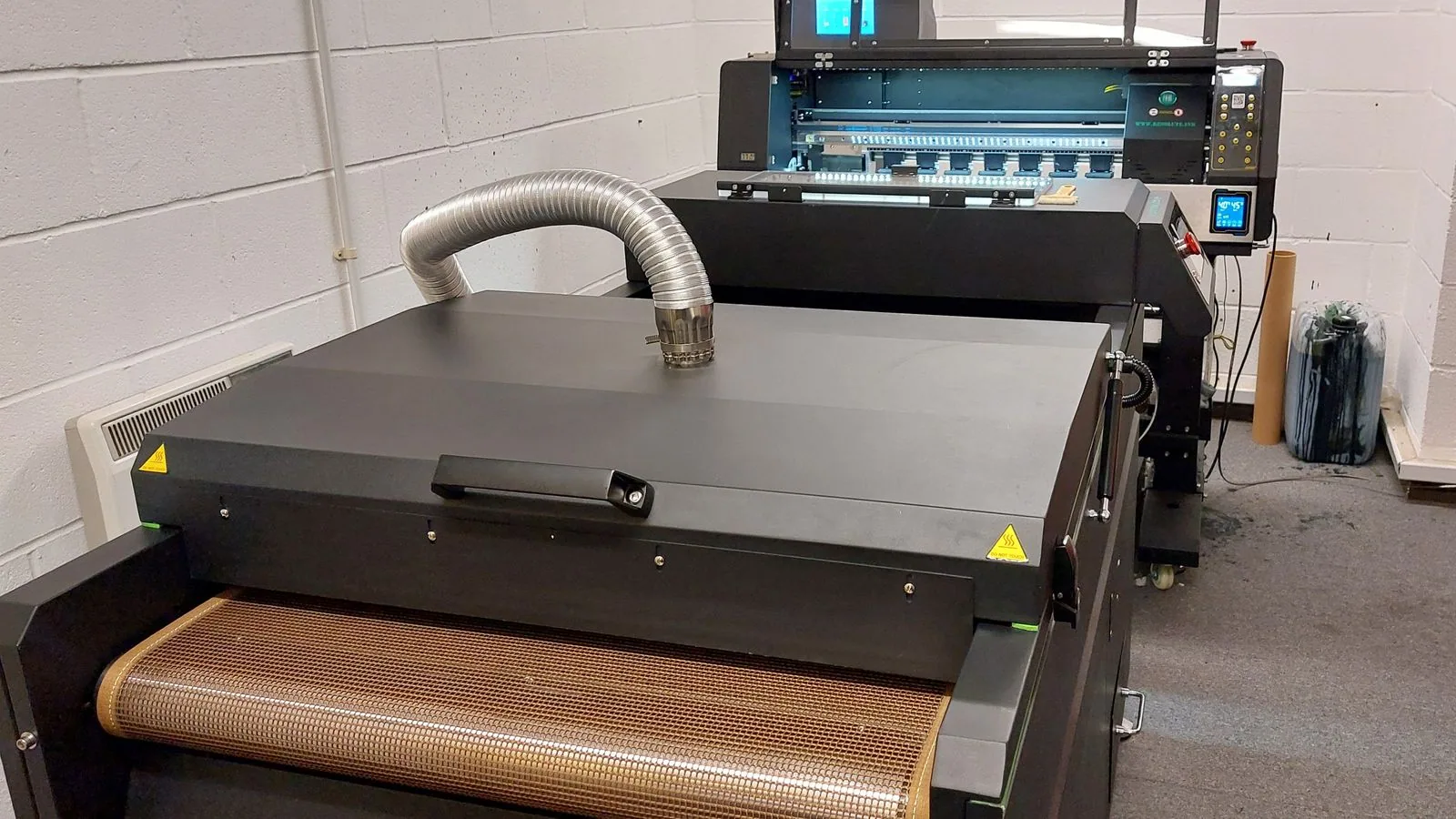
How a business runs, written down so it can be handed over instead of living in one person's head.
A Clarity Audit maps every process that currently lives in your head, and the written plan tells you which ones to document first, in what order, at what level of detail. Not a generic standard operating procedure template. Your actual business, captured while you're still in the room to explain it.
From there, the Decoded Method builds a living system (Process Register, SOPs, Improvement Log) that keeps the documentation current without you having to do it all yourself.
A Clarity Audit captures what only you know, before it's too late to ask.