Downtime cost calculator
Enter your numbers to see exactly what system outages cost you each year in staff time and lost revenue.
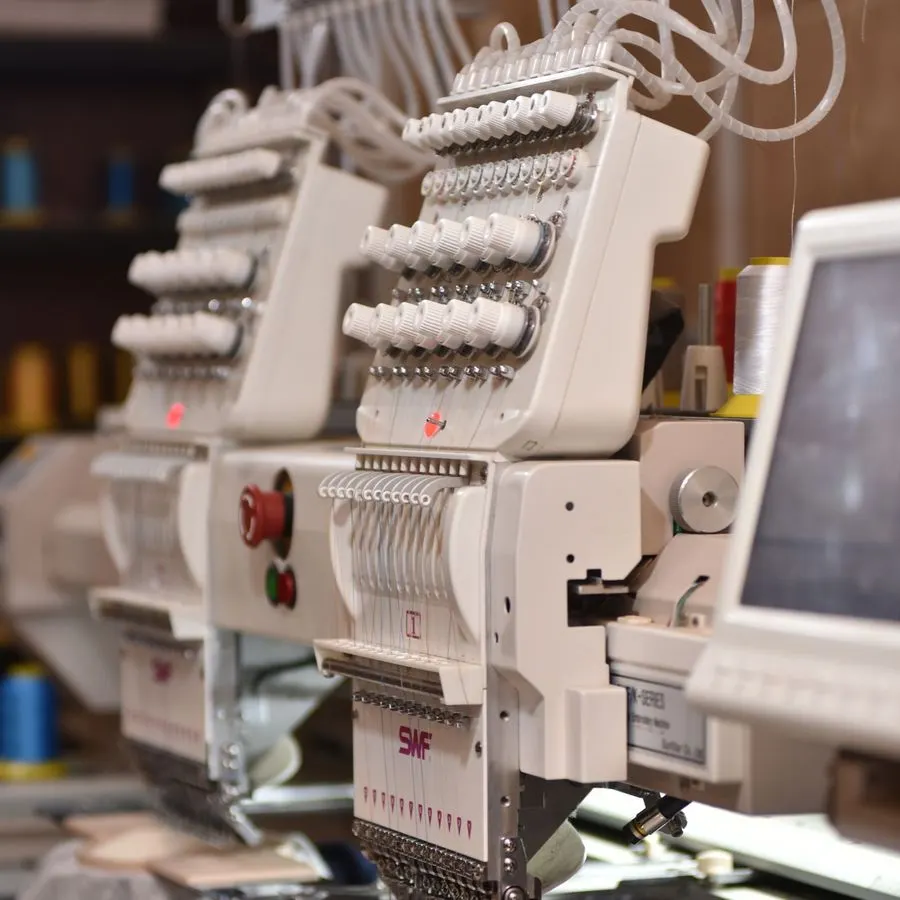
Everything running. Nothing earning.
decodedops.co.uk · DO-ART-996 · Rev 01Most calculators ask you for a number nobody has
They want your lost revenue per hour. Almost nobody can state that, so the field gets left at zero and the answer comes out meaninglessly low.
This downtime cost calculator builds it up instead. First it works out what an hour of your operation costs to have available at all, which is a number worth knowing on its own. Then it works out what you lose when that hour produces nothing.
The part that surprises people is that the overhead does not stop when the machines do. Rent, machine finance, subscriptions and salaries all keep running through an outage. You just have no production to recover them against.
Your Numbers
(Leave as 0 if you don't want to include revenue loss)
Your Annual Cost of Downtime
Annual Labour Cost
£4,320
Annual Revenue Loss
Not included
Total Downtime Hours/Year
24 hours
TOTAL ANNUAL COST
£4,320
Talk to Craig about reducing this →Or book a call directly
Want to go deeper?
Drop your details and I'll follow up with tailored recommendations for your next steps.
What to do with the recovery rate
The recovery rate is the more useful of the two numbers, and most businesses have never calculated it. It tells you what each productive hour has to earn towards your overhead before you have paid for a single garment or a gram of thread.
Take it into your quoting. If a job needs thirty minutes of machine time, it has to clear half your hourly rate in contribution above its materials just to break even. Quote below that often enough and you will be busy and unprofitable at the same time.
That is the answer to a question I get asked a lot: we are flat out, every job makes money, so why is there nothing in the bank? Margin is earned per job. Overhead is incurred per hour. If you are recovering less per hour than the hour costs, more volume makes it worse rather than better.
Watch the utilisation slider too. Pricing off theoretical hours rather than real ones is the most common way to arrive at a rate that looks fine and does not cover the business.
Why downtime costs more in decoration than most places
The deadline does not move. A distributor can ship a day late and apologise. You cannot. The match is Saturday, the event is Friday, and a box of shirts nobody wore is scrap rather than stock.
It is also worth being honest about what counts as an outage. It is not only the server being down. If the internet drops and your phones run over it, you cannot take an order. If the artwork system is unreachable, production stops even though every machine is working perfectly. If nobody can see what is in stock, picking stops.
A useful test, and it costs nothing: pick a quiet hour, pull the internet, and write down what still works. Most owners find the machines keep running and everything around them stops.
If the number was higher than you expected
That is the finding, and it is usually a process and systems problem rather than an IT spending problem. A Clarity Audit is a full day on site working through where the hours and the money are actually going, with everything it costs you in writing within five working days.